Daxton’s Story, By His Mother
A GM1 Infantile (Type 1) Story
(Published Feb. 20, 2026)
“GM1 took over our lives long before it ever had a name. Little by little, it began taking pieces of our boy away, even as we poured everything into helping him.“
How did you feel when DAXTON received a diagnosis of GM1 gangliosidosis?
I remember going into the genetics office for his results on May 14, 2025 … we were happy they found something. After 21 months of trying to find answers we thought this was it. We would finally be able to identify the issue and help him move forward, however that looked for him.
As a newborn I always referred to Daxton as “finicky.” He would cry so much but would calm down eventually so I didn’t think it was colic. I just figured maybe he was a cranky baby. By four months, Daxton had his first big medical event. We rushed him to the hospital with a bulging fontanelle and a fever. He was diagnosed with the flu and had a couple days’ stay. Over the next year and a half, he experienced eye issues, feeding issues, he had no interest in toys or TV, he had a large lump on his lower back that was diagnosed as thoracolumbar kyphosis and hypotonia (also known as floppy baby syndrome).
By January 2025, after doctors always mentioning an “underlying genetic condition,” they decided to test, so we all had blood work done. By February, Daxton had his first massive seizure causing him to be sedated, intubated and air-lifted to our nearest children’s hospital. During everything going on, we also had him in therapies since 6 months including speech, feeding, occupational, physio, pediatrician, orthopedic surgeon, neurologist and he just kept declining. I remember being so frustrated as a mom that I was doing something wrong.
In May our results finally came in, and on May 14, 2025, we got Daxton’s diagnosis. After hearing “fatal,” “no cure,” “terminal,” “no treatment, just management of symptoms,” we were devastated, numb and broken. How could our sweet boy have this terrible and awful disease?
Our world stopped and we lived day-to-day after that as Dax was already quite sick. So, we focused on his comfort and quality of life. We surrounded him with love and family until his very last breath on this earth.
How did GM1 gangliosidosis affect your family?
GM1 took over our lives long before it ever had a name. Little by little, it began taking pieces of our boy away, even as we poured everything into helping him. We had him in therapies by six months old, and I remember the deep frustration of not understanding why my baby wasn’t thriving despite all our efforts.
Looking back now, knowing GM1 is neurodegenerative, it all makes sense. Hearing words like “terminal,” “fatal,” and “a 2–3 year life expectancy” about your 21-month-old child shatters you. You grieve while they are still here. Anticipatory grief. And it is absolutely debilitating at times.
Still, you do your best to soak up every moment you’re given. It’s an unbearable thing to live through. And yet, having Daxton made it all worth it. I would choose him in every lifetime.
Our lives truly revolved around Daxton. Endless hospital visits, equipment, appointments. It was expensive and exhausting, but loving him made it easy because he was simply the best. Our other children were incredibly understanding, letting us focus on him even when it took time away from them, because we all loved him so deeply, more than words could ever describe.


what WAs the most difficult part of being a gm1 caregiver?
The most difficult part for us was seeing our sweet boy go through so much. You just wish with everything that you could stop his suffering or help him more than we were able to at times. Watching his little body go through seizures … no sleep periods … constant unrelenting pain and a lot of crying … A LOT of trying to figure out what was wrong. I just wish it wasn’t so hard for him.
What do you wish people understood more about rare diseases?
That rare is REAL. You never think it’s going to happen to your loved one until it does. There needs to be more awareness for funding and research for these diseases so that they can find a cure because people are dying. Our babies are dying before they even have a chance at life in some cases.
Hearing “rare” is scary because a lot of the times doctors tell you they are learning with you or have never seen or heard of the disease itself, and THAT is terrifying.
Why should people support the Cure GM1 Foundation and rare disease resEarch / advocacy?
It’s important because it will save lives. Before the Cure GM1 Foundation, there was little to no information out for us parents to relate to. I can’t say enough how much we all need to be advocating for rare disease research and I truly was ignorant to it before I was forced not to be after Daxton’s diagnosis. Now it’s impossible not to see the absolute devastation rare disease does to our babies, kids and their entire families. RARE IS REAL.
if you could tell people one thing about gm1 gangliosidosis, what would it be?
GM1 is evil in its purest form, slowly showing itself in some cases from newborn and up. Your baby learns some skills depending on the stage of the disease, and then they’re gone … slowly. Losing the ability to eat, swallow, see, laugh and eventually take their last breath.
Is there anything else you would like to add?
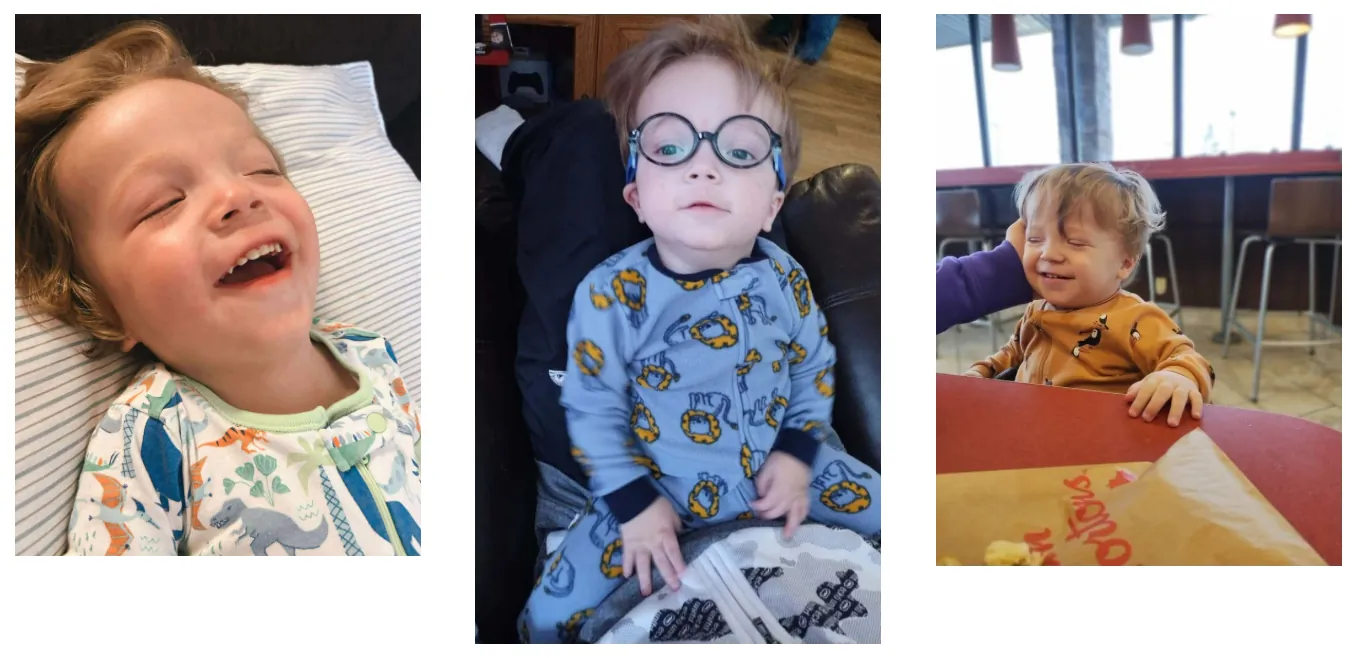
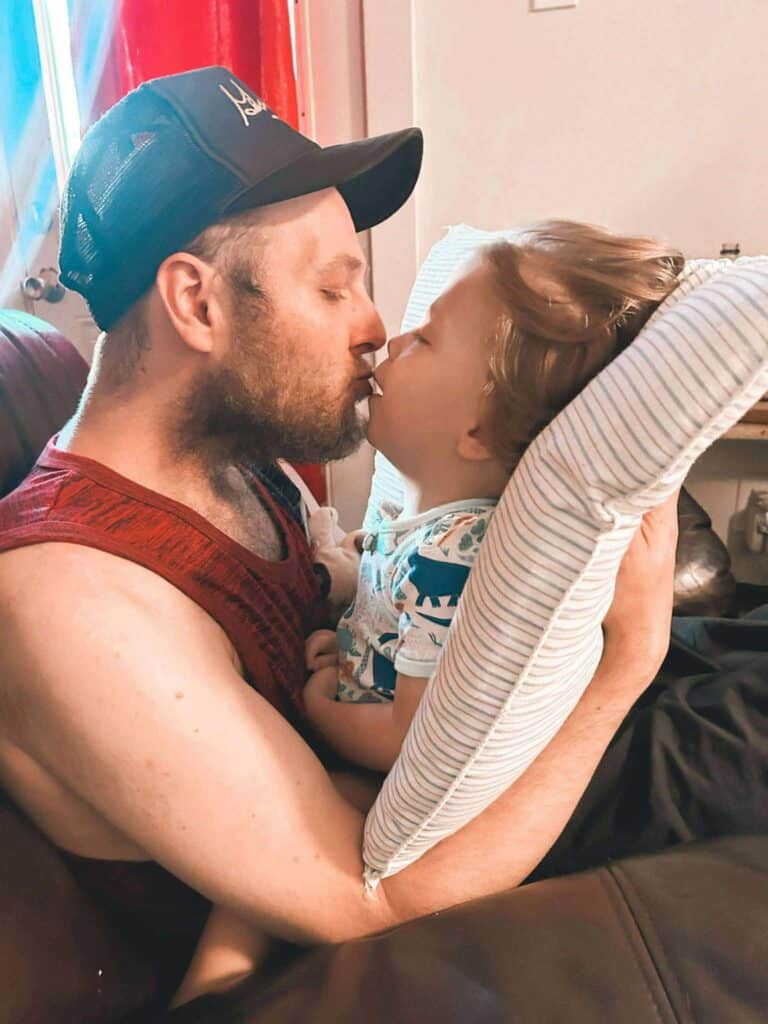
Daxton Sterling Francis Powell was the absolute light and joy of all of our lives. Despite the evil pain GM1 causes, he was the smiley-est little boy. He loved his family, especially his siblings. They just had to look at him, and he would laugh so much. He was so incredibly wanted and his diagnosis and passing has been absolutely devastating. No words could truly express. We miss his giggles, the peace that came internally from being with him, his smell, his perfect smirk, little noises he made that I would move mountains to still hear. He was and will always be our sweet angel baby. We love you, Daxy baby. Forever 2.
Remembering Daxton
Aug. 29, 2023 to Oct. 7, 2025
Your support can help families like ours find hope and advance research toward a treatment and an eventual cure for those living with GM1 .