What Is GM1 Gangliosidosis?
GM1 Gangliosidosis is a rare, inherited genetic disorder that affects the brain and nervous system by preventing the body from breaking down certain fats, leading to progressive neurological damage.
If you’ve never heard of GM1 Gangliosidosis before, you’re not alone. Even many medical professionals may only encounter it once or twice in their careers. For families facing this diagnosis, it can feel like being dropped into a foreign country without a map. This guide is here to help you understand GM1 Gangliosidosis in clear, human terms without overwhelming medical jargon.
Canine Companions and Their Impact on Special Needs Families
Could a service dog benefit your child living with GM1 gangliosidosis? At the 2023 Cure GM1 Community Conference, Brad Wilson, a full-time police officer and parent to Tyler, a child living with Angelman Syndrome, shared the ways a “skilled companion” service dog from Canine Companions benefited his son. Similar to GM1, Angelman Syndrome is a rare genetic disorder that causes severe developmental delays and has no cure. The following is a recap of Brad’s experience with the Canine Companions service dog program.
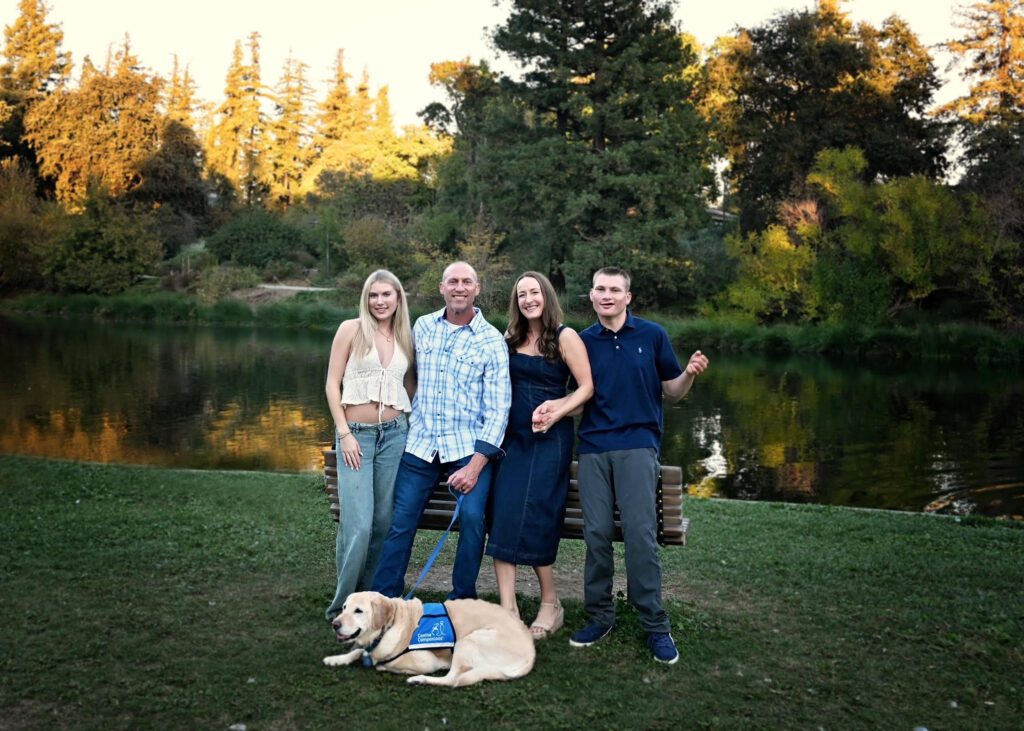
Brad first learned about the organization Canine Companions while attending an autism-related event in 2014. Canine Companions is a nonprofit organization that provides trained service dogs free of charge to children, adults and veterans with disabilities. The organization works with disabled families nationwide. More than 8,500 skilled companion teams have been placed since the organization launched in 1975. More than 600 working dog teams, including 215 therapy dogs, were placed by Canine Companions in 2025 alone.
The Application & Matching Process
According to Brad, the application process for Canine Companions involved a detailed application, interview, and a two-year wait before being approved and invited to team training for Tyler’s skilled companion partner, Anamarie.
Canine Companions utilizes Labrador Retrievers, Golden Retrievers, and crosses of the two breeds, as service dog partners. The dog Brad’s son was partnered with, Anamarie, had already been trained for two years before being matched with Tyler.
As part of the training, both Brad and Tyler attended two weeks of training to learn how to work with Anamarie most effectively. Brad felt Anamarie connected with Tyler immediately during the training process. Her calm companionship made the match feel like a right fit for the family.
The Benefits
Adopting a service dog through Canine Companions has had many benefits on Tyler and his entire family. On the most basic level, Anamarie provides comfort, companionship and emotional support for Tyler. Brad shared that Anamarie serves as a social bridge, helping others feel more comfortable approaching Tyler and allowing the family to educate people about rare diseases. She can follow many commands to assist him in his everyday life.
Additionally, while Anamarie is technically Tyler’s companion, Brad shared that she has benefited the entire family. He feels Anamarie has strengthened his bond with Tyler and allowed them to share more family activities and create more meaningful shared experiences together. Tyler’s sister was also inspired to get more involved in school groups supporting others with disabilities thanks to Anamarie’s influence.
Overall, Brad shared that having a service dog for your child with a rare disease such as Angelman Syndrome or GM1 gangliosidosis can greatly improve emotional wellness, social interaction, family life and the day-to-day lived experience of your child living with a disability.
Is my child eligible?
If you think a service dog would be of benefit to your child living with GM1, take time to consider the eligibility requirements set forth through the Canine Companions organization:
- Children must be at least five years old for a Canine Companions skilled companion placement
- You must demonstrate that you or your child would benefit from the tasks Canine Companions dogs are prepared to perform (Dogs can learn more than 30 commands to support their partner, including opening doors, picking up dropped items and turning lights on and off)
- You must have the means and resources to manage and care for a dog (Feeding, grooming, exercising, veterinary care are the responsibility of the recipient party)
- Once receiving a service dog, you must be willing to stay engaged with Canine Companions (This includes providing yearly updates and meeting in person at least every two years)
For a full list of FAQs about the Canine Companions program, click here.
Keep in mind Canine Companions is just one service dog training provider. Other organizations may have different eligibility requirements, so don’t be discouraged if the eligibility requirements outlined by Canine Companions are not a fit for your family.
To learn more about Canine Companions and how a service dog may benefit your child living with GM1, visit canine.org.