Milo’s Story
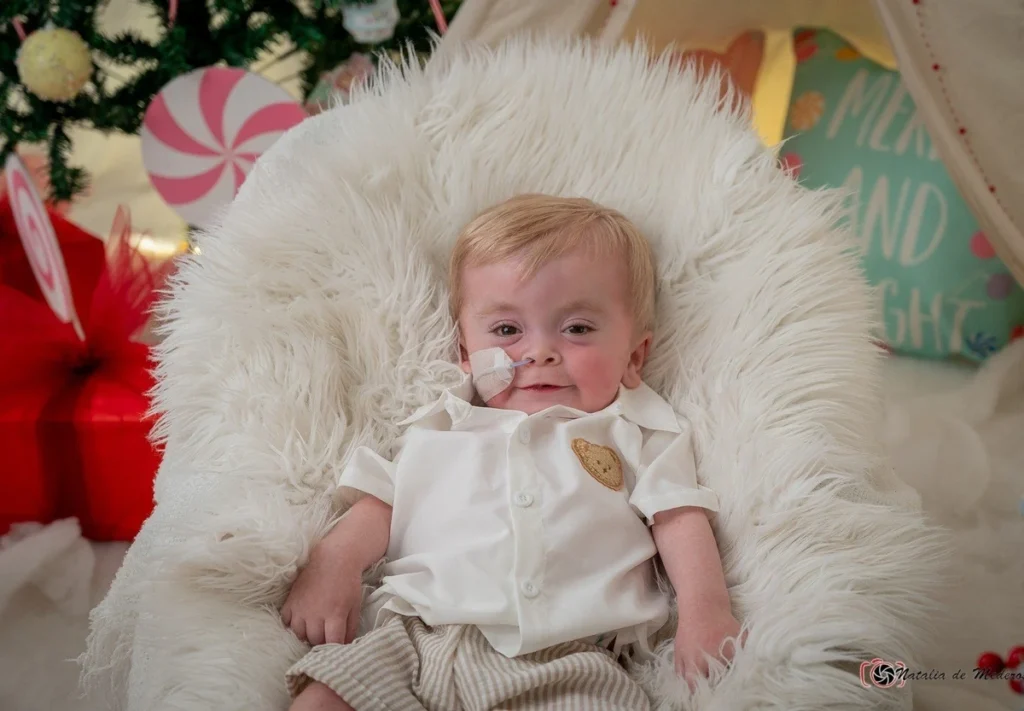
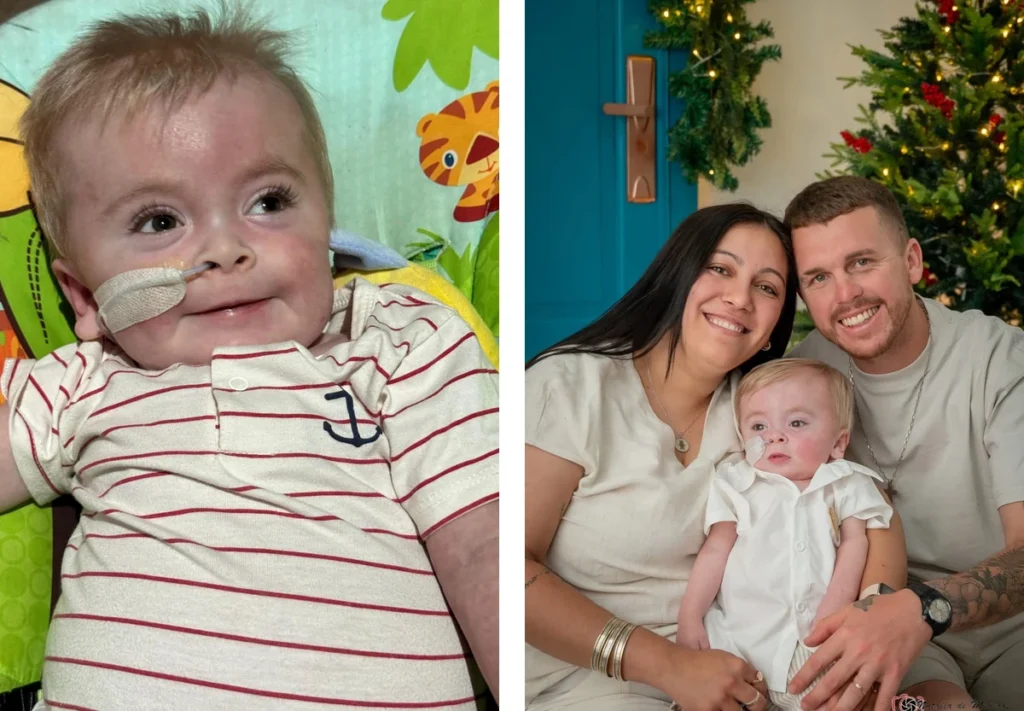
Milo passed away from infantile GM1 (Type 1) on July 20, 2026. Below, his mother shares his story so we can honor and remember the beauty he brought into their lives.
How did you feel when Milo received a diagnosis of GM1 gangliosidosis?
I remember that day as if it were yesterday. I remember the anguish, the fear, the helplessness and the frustration. This could not be happening to us, not to our baby. It was very hard. It was a grief we had to learn to live with so that we could enjoy the time we had with our son. It was a rollercoaster of emotions that I would not wish on anyone.
What was the impact of GM1 on Milo?
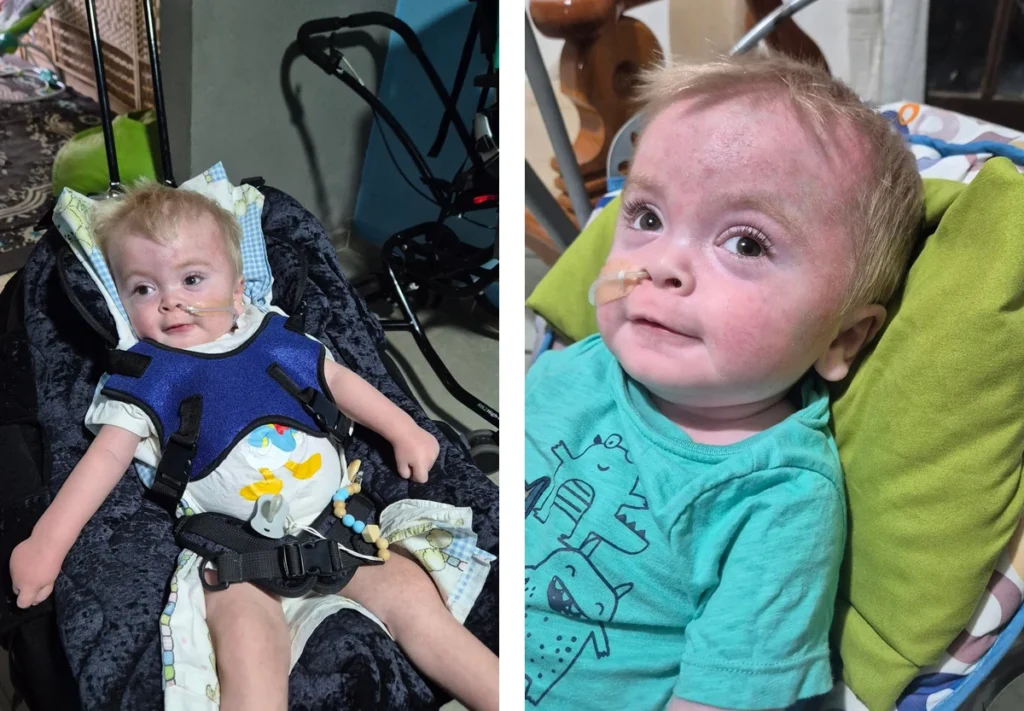
GM1 took everything from Milo, so fast, so invasive. The first thing Milo lost was his posture; he became more and more hypotonic. But until his last days he responded to us, he knew our voices, and he smiled. What it did take was his sight, the movement in his arms and legs, and his ability to feed himself.
How did GM1 impact your family?
GM1 changed everything. It took the most beautiful thing God had given us. In 21 months it took our only child. We were first-time parents facing a terminal diagnosis, learning to live in a way completely different from the one we had imagined or dreamed of as parents. Learning about procedures, medicines, treatments. The people around us, our family and our friends, stayed close and tried to help. But it also taught us the value of small things, the value of time, of a smile or a hug, of enjoying every moment with our baby.
What was the hardest part of being a GM1 caregiver?
The constant uncertainty. The fear of not knowing when or what might happen. The constant fear of losing your child. The fear of not knowing whether you are doing things right. You live in constant grief because you cannot watch your child walk, or play, or eat. We had imagined motherhood in a completely different way. But watching your child suffer is the worst experience in the world, and watching them go through so many procedures and treatments is very hard.
What do you wish people understood more about rare diseases and the experience of living with GM1?
I wish more people knew about this disease, and knew how to stand beside their loved ones through something so hard. Where I live, no doctor was prepared or informed about the disease, so our first weeks were full of uncertainty.
If we could tell people just one thing about GM1 gangliosidosis, what would it be?
Saying only one thing about this disease is almost impossible. GM1 took everything from me. It took what I loved most in this world.
Why should people support the Cure GM1 Foundation and rare diseases?
The more people who help and who spread the word about this disease, the more children will be able to have the best possible quality of life. Families need support, they need answers, they need clinical trials. They need to feel that someone is with them.
Is there anything else you would like to add to your story?
Milo was a warrior. In so little time he taught us so much. He taught us to treasure what we love most, to enjoy it, to care for it. He was a warrior until his last days. And he taught us that even through the biggest obstacles he always carried magic and peace. There is no doubt that he left a mark on every single person who met him and who came to know his story.
Versión en Español
¿Cómo se sintieron cuando Milo recibió el diagnóstico de gangliosidosis GM1?
Recuerdo el día como si fuera ayer; recuerdo el sentimiento de angustia, de miedo, de impotencia y de frustración. Esto no nos podía estar pasando a nosotros, no a nuestro bebé. Fue muy difícil. Fue un duelo que tuvimos que aprender a vivir para poder disfrutar el tiempo que teníamos con nuestro hijo. Fue una montaña rusa de emociones que no le deseo a nadie.
¿Cuál fue el impacto del GM1 en Milo?
El GM1 le fue quitando todo a Milo, tan veloz, tan invasivo. Lo primero que perdió Milo fue la postura; fue quedando más hipotónico. Pero hasta sus últimos días reaccionó a los estímulos, reconocía las voces y sonreía. Sí le quitó la visión, la movilidad en sus extremidades y el poder alimentarse por sí solo.
¿Cómo impactó el GM1 a su familia?
El GM1 cambió todo. Nos quitó lo más hermoso que Dios nos había dado: en 21 meses nos arrebató a nuestro único hijo. Éramos papás primerizos enfrentándonos a un diagnóstico terminal, aprendiendo a vivir de una forma completamente diferente a la que nos habíamos imaginado o soñado como padres. Aprendiendo sobre procedimientos, remedios, tratamientos. Nuestro entorno, nuestra familia y nuestros amigos, acompañándonos y tratando de ayudar. Pero también nos enseñó el valor de los pequeños detalles, el valor del tiempo, de una sonrisa o un abrazo, de disfrutar cada momento junto a nuestro bebé.
¿Cuál fue la parte más difícil de ser cuidadora de un niño con GM1?
La incertidumbre constante. El miedo de no saber cuándo ni qué puede pasar. El miedo constante de perder a tu hijo. El miedo de no saber si estás haciendo las cosas bien. Vives en un duelo constante por no poder ver a tu hijo caminar, jugar, comer. Nos imaginábamos la maternidad de una manera completamente diferente. Pero ver sufrir a un hijo es la peor experiencia del mundo, y verlos pasar por tantos procesos y tratamientos es muy duro.
¿Qué le gustaría que las personas entendieran mejor sobre las enfermedades raras y sobre la experiencia de vivir con GM1?
Ojalá más personas pudieran saber sobre la enfermedad y cómo acompañar a sus seres queridos en un proceso tan duro. Donde yo vivo, ningún doctor estaba preparado ni informado acerca de la enfermedad, así que las primeras semanas fueron de mucha incertidumbre.
Si pudiéramos decirle a la gente solo una cosa sobre la gangliosidosis GM1, ¿cuál sería?
Decir solo una cosa acerca de la enfermedad es casi imposible. El GM1 a mí me quitó todo. Me quitó lo que más amaba en este mundo.
¿Por qué deberían las personas apoyar a la Cure GM1 Foundation y a las enfermedades raras?
Mientras más personas colaboren y difundan información acerca de la enfermedad, más niños y niñas podrán tener la mejor calidad de vida posible. Las familias necesitan apoyo, necesitan respuestas, necesitan estudios clínicos. Necesitan sentirse acompañadas.
¿Hay algo más que le gustaría agregar a su historia?
Milo fue un guerrero. En tan poco tiempo nos enseñó tanto. Nos enseñó a valorar, a disfrutar, a cuidar lo que más amamos. Fue un guerrero hasta sus últimos días. Y nos enseñó que incluso en los obstáculos más grandes él siempre transmitía magia y paz. Sin duda marcó a todas y cada una de las personas que lo conocieron y que conocieron su historia.